At Friends House, residents play an active role in caring for the land and shaping the community’s eco-minded practices. One example is the work of the Garden Committee, a resident-led group that oversees our two-acre organic garden and the composting efforts that support it.
The Committee has earned multiple composting awards over the years, and its leadership continues to strengthen Friends House’s sustainability efforts. Recently, they introduced additional green composting bins to help residents contribute kitchen scraps and plant materials that enrich the garden’s soil. These newer green bins, purchased by the Garden Committee, replaced an older style that was more difficult to use. It’s a simple improvement that reflects their steady dedication to stewardship and environmentally conscious living.
Bonnie from the Garden Committee shared that the group is always looking for practical ways to help neighbors participate in caring for the garden and the surrounding campus. Their work brings people together, nurtures healthier soil, and supports the wildlife-friendly spaces that so many enjoy across Friends House.
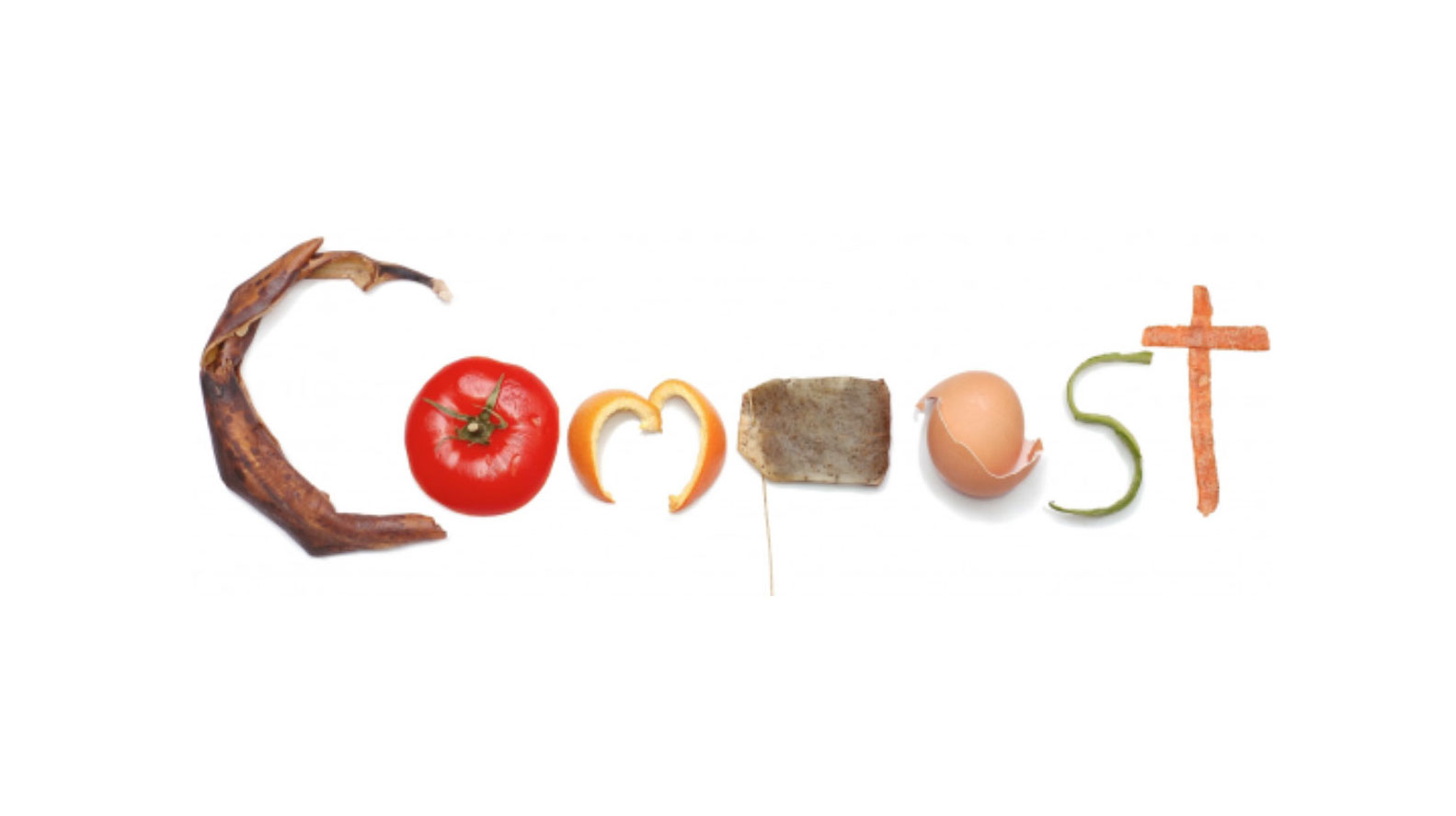
Tips for Easy Composting
What is Compostable:
- Fruit and vegetable scraps
- Coffee grounds and tea leaves
- Eggshells (rinsed)
- Deceased houseplants and garden waste
- Shredded paper
- Compostable green bags
What is Not Compostable:
- Plastic bags
- Large amounts of dairy products or fats
- Recyclable cardboard
- Woody garden waste (these go to the weed wagon)
Helpful Tips:
- Keep a small container in your kitchen for food scraps, then empty it weekly into the outdoor compost bin.
- Avoid adding items that may attract pests or interfere with the composting process.
- If you’re unsure about whether something can be composted, place it in the trash instead.
By participating in composting, you’re helping reduce landfill waste while enriching the soil that supports the Friends House gardens.
Composting at Friends House isn’t just a sustainability practice — it’s a resident-led tradition that strengthens the garden, supports local wildlife, and gives neighbors a meaningful way to care for the campus they call home.