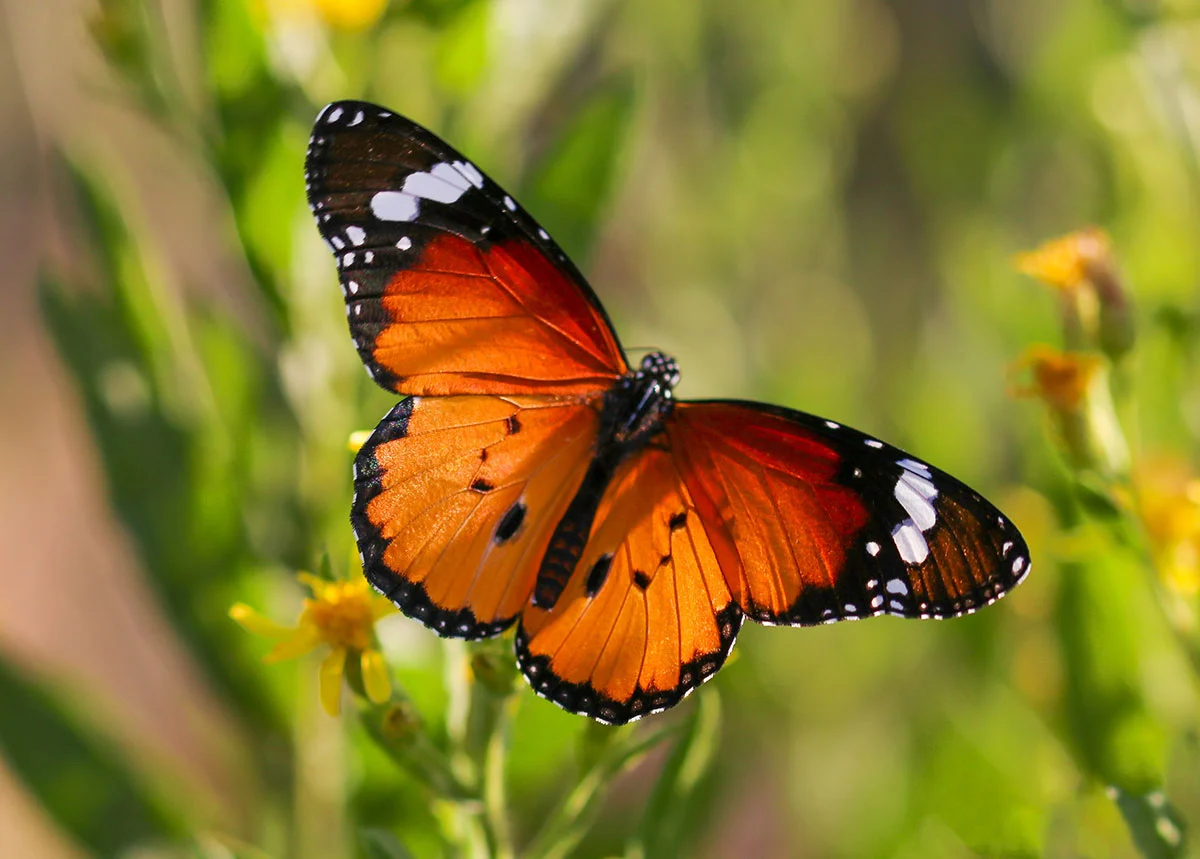
A recent New York Times article explored the growing interest in native gardens and “rewilding,” a movement that encourages replacing traditional lawns with landscapes that support birds, pollinators, and local ecosystems.
At first glance, native gardening and retirement planning may not seem closely connected.
But both begin with a surprisingly similar question:
What do we want more of in the years ahead?
More life. More connection. More ease. More room for what matters.
At Friends House Retirement Community, a nonprofit Life Plan Community in Sandy Spring, Maryland, residents encounter this question every day through the choices they make about community, stewardship, and how they want to spend the years ahead.
Making Room for What Matters
Native gardening often starts by rethinking what a yard is supposed to be.
Instead of maintaining a lawn simply because it has always been there, people begin asking what the land could become. Could it support more butterflies? More birds? More shade? More beauty? More resilience?
Retirement planning can begin the same way.
Many older adults reach a point when they begin to reconsider the home, routines, and responsibilities that once fit perfectly. The house may feel harder to maintain. The neighborhood may feel less connected. Social opportunities may take more effort. The question becomes less about what is familiar and more about what kind of life feels right for the future.
That does not mean rushing into a decision.
It means creating space to think clearly before urgency takes over.
Recognizing the Right Time
Many people begin exploring retirement living long before they need to make a move.
The most rewarding transitions often happen when people have time to consider their options, visit communities, meet residents, and think about what they want from the years ahead.
Sometimes the right time to explore a retirement community is not when something goes wrong. It is when you begin to recognize what you want more of.
Read a recent resident story about making that decision →
Stewardship in Action
The same spirit of thoughtful planning can be seen across the Friends House campus.
Friends House sits on 62 acres in Montgomery County, Maryland and is recognized as a Certified Wildlife Habitat. Residents have long played an active role in environmental stewardship, gardening, and caring for the natural spaces that surround them.
That commitment continues through a resident-led Wildlife Garden project inspired by the growing interest in native plants and habitat restoration. The garden reflects something larger than landscaping. It reflects a community where residents continue to learn, contribute, and shape the environment around them.
Just as people often make thoughtful decisions about how they want to spend the next chapter of life, the Wildlife Garden represents an intentional investment in the future, creating something that will grow and provide benefits for years to come.
Read the full Wildlife Garden story →
The Wildlife Garden is one example of a larger pattern at Friends House: residents continue shaping the community around them long after retirement.
Why Nature Supports Healthy Aging
Time outdoors supports more than physical activity.
A walk through campus, time spent in the garden, birdwatching from a bench, or pausing by the pond helps people feel more connected to the seasons, to their neighbors, and to themselves.
At Friends House, nature is part of everyday life. Residents enjoy walking paths, wooded areas, gardens, outdoor gathering spaces, and opportunities to participate in resident-led environmental efforts.
These spaces do not function as scenery alone. They invite conversation, movement, reflection, and connection.
For active older adults exploring retirement communities in Montgomery County, MD, that matters. A community’s setting influences how people spend their days, how often they connect with others, and how supported they feel in continuing the interests that give life meaning.
Community Grows When People Participate
One of the defining characteristics of Friends House is that residents do not simply live here. They help shape the life of the community.
Resident-led Committees and interest groups support gardening, environmental stewardship, wellness, creative arts, education, volunteering, and social connection. The Garden Committee maintains a two-acre organic garden, a greenhouse, and specialty gardens that include rose, Shakespeare, butterfly, herb, and apiary plantings.
These efforts reflect the Quaker values that have guided Friends House since its founding in 1967 by members of the Religious Society of Friends.
Founded by Quakers. Open to all.
That promise continues to shape a community where older adults of many backgrounds find opportunities to stay engaged, thoughtful, and connected.
For those considering independent living or a Life Plan Community, resident involvement is one of the factors that make Friends House unique. Residents are encouraged to participate, contribute ideas, and continue pursuing the interests that matter most to them.
Planning Ahead Before Life Feels Rushed
Many people wait to explore retirement living until a crisis forces the conversation.
But planning ahead offers something different: choice.
It gives individuals and couples time to visit, ask questions, meet residents, understand options, and imagine what daily life might feel like in a new setting.
It also allows people to make decisions based on values rather than pressure.
For some, that means wanting less maintenance. For others, it means more social connection, more access to nature, more wellness opportunities, or more peace of mind for the future.
Just like a native garden, a good plan takes time to grow.
How Do You Want to Live Your Next Chapter?
For many older adults, the real question is not simply where they will live in the years ahead.
It is how they want to live.
If your answer includes more connection, more ease, more access to nature, or more time for the people and interests that matter to you, it may be worth getting to know Friends House.
As a retirement community in Sandy Spring, MD, Friends House offers independent living, access to future levels of support, and opportunities to remain engaged through nature, wellness, lifelong learning, and community involvement.
Our Circle of Friends Future Residents program allows you to learn more about the community, receive updates, attend select events, and plan at your own pace.
You do not have to wait for urgency to begin exploring what comes next.
Learn more about Circle of Friends →
Take the Senior Living Assessment →
Frequently Asked Questions
What makes Friends House different from other retirement communities in Montgomery County, MD?
Friends House is a nonprofit, Quaker-founded Life Plan Community established in 1967 by members of the Religious Society of Friends. Set on a 62-acre Certified Wildlife Habitat in Sandy Spring, MD, Friends House combines resident-led community life, environmental stewardship, wellness, lifelong learning, and access to multiple levels of support.
Where is Friends House Retirement Community located?
Friends House is located in Sandy Spring, Maryland, in Montgomery County. The campus is north of Silver Spring and close to medical care, shopping, local restaurants, Olney Theatre Center, Sandy Spring Museum, and the cultural attractions of the Washington, D.C. metropolitan area.
What outdoor and gardening opportunities are available at Friends House?
Residents participate in gardening, environmental projects, native plant efforts, walking, birdwatching, and outdoor gathering opportunities. The Garden Committee maintains a two-acre organic garden, greenhouse, and specialty gardens. The resident Environment Committee also began a native Wildlife Garden in 2026.
How does time in nature support healthy aging?
Time outdoors encourages movement, social connection, relaxation, and lifelong learning. At Friends House, walking paths, gardens, wooded areas, wildlife habitat, and outdoor gathering spaces help residents stay connected to nature and one another.
What is the Circle of Friends Future Residents program?
The Circle of Friends Future Residents program is for those planning a future move to Friends House. Members place a fully refundable deposit, gain early notice of available residences, and have opportunities to get to know the community before making a decision.