
A recent New York Times article highlighted growing national interest in native plants, biodiversity, and creating spaces that support wildlife. These are topics that Friends House residents have been exploring and advancing for years through the work of the Environment Committee and other resident-led efforts.
One of the committee’s newest projects is the creation of a Wildlife Habitat on campus. Designed to support birds, pollinators, amphibians, and other wildlife, the project also creates opportunities for residents to observe, learn about, and enjoy the natural world around them.
The following article was prepared by Friends House resident Nancy and shares the vision, progress, and inspiration behind the project.
Creating a Wildlife Habitat at Friends House
Inspired by the work of Dr. Doug Tallamy, Homegrown National Park, the National Wildlife Federation, and many other educational resources, the Friends House Environment Committee has begun creating a new Wildlife Habitat on campus.
The project has several goals: improving the appearance of the storm drain outfall, reducing mowing, attracting and supporting wildlife, improving soil health, and giving residents—especially those enjoying the nearby bench—a place to observe nature and learn to identify local birds.
The Wildlife Habitat occupies a kidney-shaped area approximately 57 feet long by 20 feet deep and incorporates an existing maple tree into the design.
Building the Foundation
The project is being completed in phases.
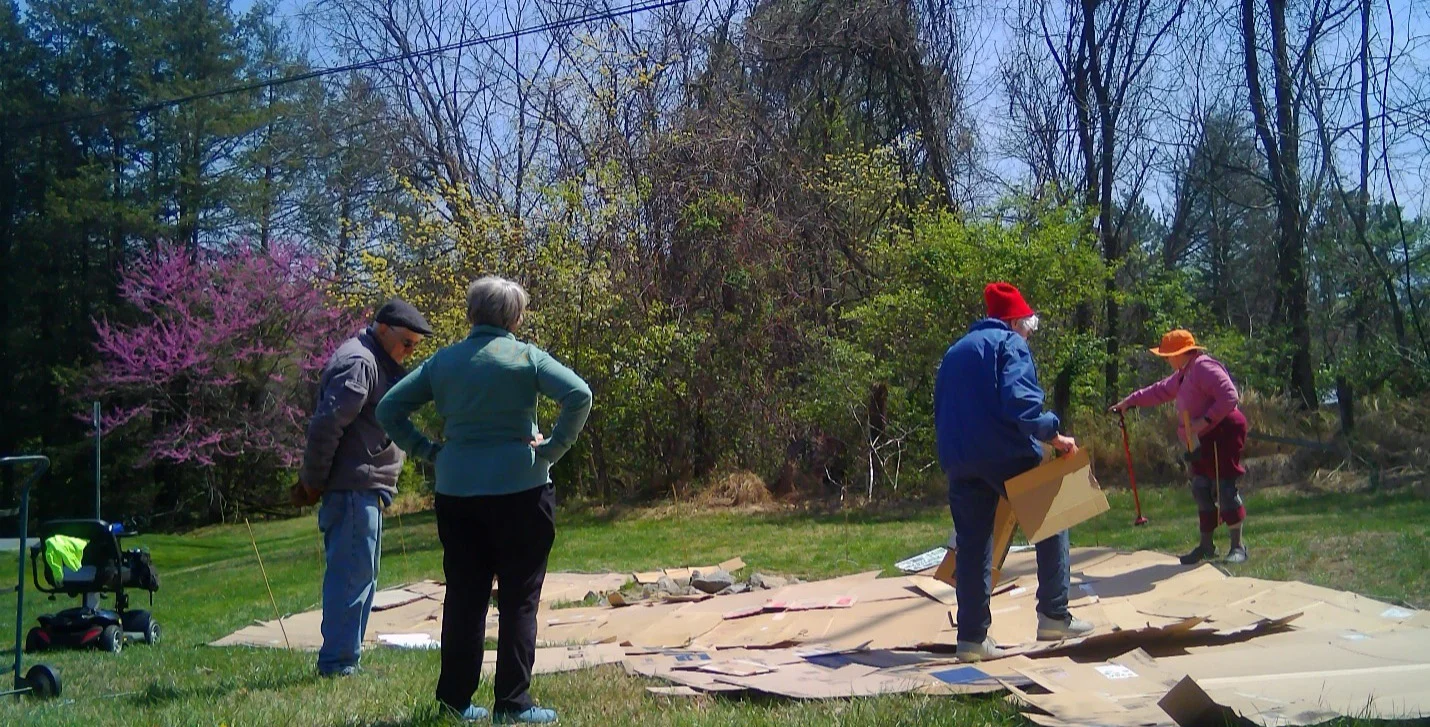
During the spring of 2026, members of the Environment Committee prepared the site by covering the existing turf with cardboard and black plastic to naturally eliminate the grass. At the same time, shrubs were planted and habitat features for birds, insects, and toads were added.
In the fall, as the cardboard begins to break down, the committee plans to plant a variety of native groundcovers at the appropriate time for each species.
A Natural Location
The site was selected because it sits beside two major wildlife trails—one along the PEPCO easement and another beside a nearby cottage. Many Friends House residents already enjoy watching trail camera videos captured along these paths, making it an ideal location for creating additional habitat.
In May 2026, the committee planted the large shrubs and small trees that will form the foundation of the habitat. These native plants—including buttonbush, chokecherry, hazelnut, and winterberry—were generously donated by the Chesapeake Education, Arts, and Research Society.
A temporary watering system has been installed for the first year. Once established, these native plants should thrive with minimal maintenance.
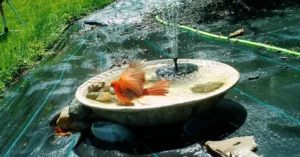
A birdbath has already begun attracting birds and other wildlife.
Creating Habitat for Wildlife
The Wildlife Habitat is designed to support many different species.
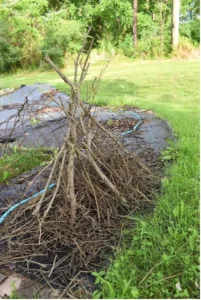 A “bug snug” built from branches provides shelter for beneficial insects, including important pollinators that also serve as food for birds. Plans also include adding a log to support xylophilous (wood-loving) insects and provide nesting sites for native bees and wasps. These insects play an important role in healthy forest ecosystems by helping break down wood and supporting the broader food web.
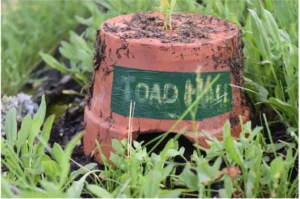 The committee has also added a toad house and is encouraging the growth of moss, fungi, and native microorganisms. Stones, sand, leaf litter, and other natural materials will continue to be added to create a variety of habitats that support healthy ecosystems.
A Project Led by Residents
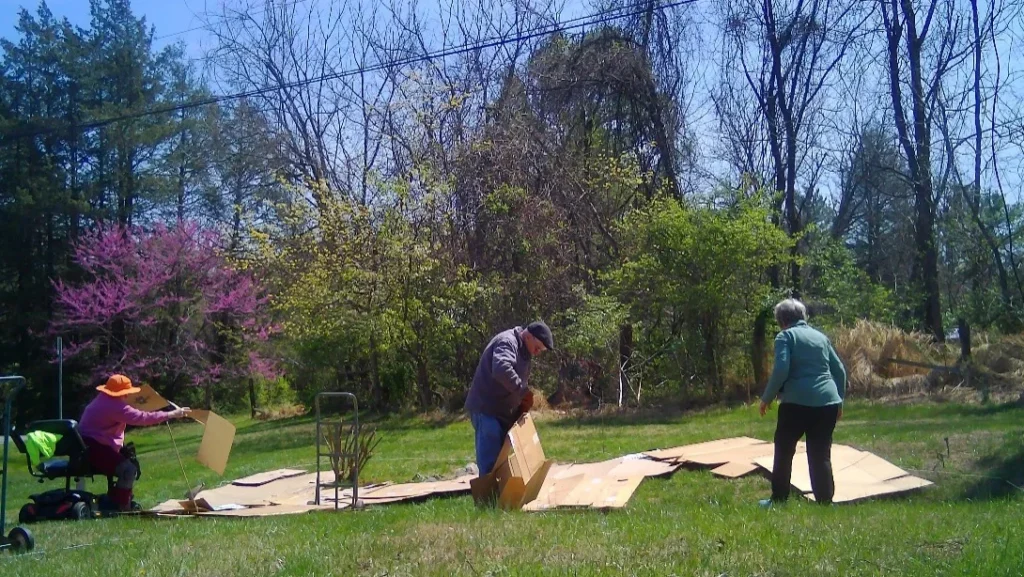
The Wildlife Habitat is truly a resident-led effort.
Many members of the Environment Committee have contributed countless hours to planning and building the habitat. In addition to planting the initial shrubs, committee members are nurturing starter plants in home gardens and plots within the Friends House Garden. Those plants, along with divided perennials, will be transplanted into the habitat as the project continues to develop.
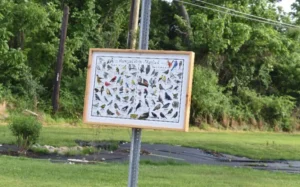 The committee has also installed educational signage to help residents identify local bird species and learn more about the wildlife that shares the campus.
Enjoying the Results
One of the most rewarding parts of the project has already begun.
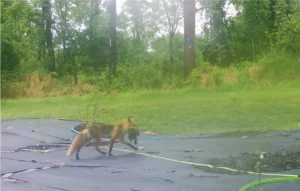
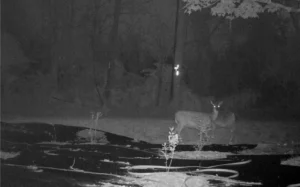 Residents can watch the habitat develop while walking through campus or from the nearby bench overlooking the area. Trail camera footage continues to capture birds and other wildlife visiting the site, offering an ever-changing glimpse into the natural activity taking place.
As the native plants mature, the Wildlife Habitat will continue to evolve into an even richer environment for wildlife while creating another beautiful place for residents to connect with nature.
Learn More
To learn more about creating wildlife-friendly landscapes and supporting biodiversity, explore the resources below that inspired and informed many of the ideas behind this project.
Transform Your Yard Into a Wildlife Habitat
Interested in learning more about the environmental initiatives at Friends House? Explore life at Friends House and discover how residents help shape our community and campus.